Author

admin

Browsing

Source: https://www.shutterstock.com/image-photo/friends-having-pasta-dinner-home-restaurant-1191840604

When it comes to a corporate lunch, you need a venue befitting the ambience of a corporate activity, plus food that would not disappoint employees.

The employee experience at a team lunch sends a message to employees.

If it’s lacklustre, it suggests the company may not prioritise company culture activities. However, if it allows employees to enjoy and bond, it will be an experience they’ll fondly look back on.

There are plenty of venues to hold corporate lunches. These could be at a Chilli’s or a sushi bar. However, it can be worth looking into a pasta restaurant in Singapore due to its Italian ambience and diverse selection of flavours.

Key Takeaways

  • Ambience as a Facilitator: A successful team lunch requires a quiet, professional environment. Italian restaurants offer a balanced “cosy yet elevated” atmosphere that encourages open communication without the stiffness of formal fine dining.
  • The “Goldilocks” Portion: Pasta provides the perfect moderate portion for mid-day meetings. It is satisfying enough to feel like a treat, but light enough to ensure employees remain productive and engaged for the rest of the afternoon.
  • Budget-Friendly Sophistication: Pasta restaurants offer a high-perceived value. They provide an elevated, artisanal dining experience that feels premium to employees while remaining more cost-effective for the company than steakhouses or high-end sushi bars.
  • Logistics are Non-Negotiable: For a seamless corporate event, exclusivity (private rooms), accessibility (parking), and long-term value (memberships) are just as important as the food itself.

What Do Team Lunches Need?

A successful corporate lunch is not just about eating. It is a team-building activity for bonding and, in some cases, business discussion.

As such, a venue for a team lunch should meet the following:

  • A quiet ambience: Whether it’s discussing project timelines or dispenser banter, conversation isn’t very conducive if you are shouting over loud music. A quiet environment allows for clear communication.
  • An atmosphere befitting a corporate agenda: The venue should look professional. It should be a place where you feel comfortable hosting clients or senior management. Italian restaurants provide a cosy Italian ambience that welcomes diners.
  • An environment that enriches the employee experience: Remember, the location is just as memorable as the food. A curated interior and atmosphere will be remembered fondly by employees.
  • Good food: Quality food ensures a more enjoyable experience among employees. It lets them know that management treats them well.
  • Moderate portions: Lunch should be satisfying but light enough to encourage discussion and banter with colleagues.
  • Menu variety: The menu must accommodate diverse tastes. Look for variety in the menu–oil-based pastas, creamy pastas, seafood pastas, and vegetarian options. That way, there’s an option that accommodates everyone’s distinct tastes.

What Can Pasta Restaurants Provide for Team Lunches?

Italian cuisine is known for its simplicity. It gives diners familiar, comfortable, yet elevated flavours that don’t make anyone feel overwhelmed.

This allows pasta restaurants to curate an inviting atmosphere for groups – especially corporate teams.

Pasta restaurants also provide the following:

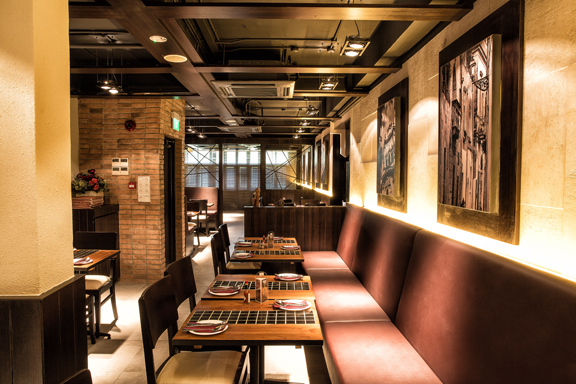
A calm atmosphere

Source: https://pastafresca.com/wp-content/uploads/2017/10/332A1946.jpg

Unlike a cramped food court, a dedicated Italian restaurant offers a relaxed atmosphere.

This environment is essential for team lunches, enabling meaningful conversations. This is conducive to fostering closeness between employees and building a corporate culture.

When the surroundings are calm and free of raucous, people can more freely share ideas. The lunch is more open and inviting, such that everyone can engage in conversation without exerting energy to raise their voice.

An elevated, Italian ambiance

There is an elegance to authentic Italian interiors.

From the scent of fresh basil and garlic to the sight of vernacular Italian design, these pieces elevate the dining experience.

Furthermore, Italian restaurant interiors aren’t so posh and refined that they feel overwhelming either. This makes pasta restaurants well-suited for both casual team dinners and hackathon meetings.

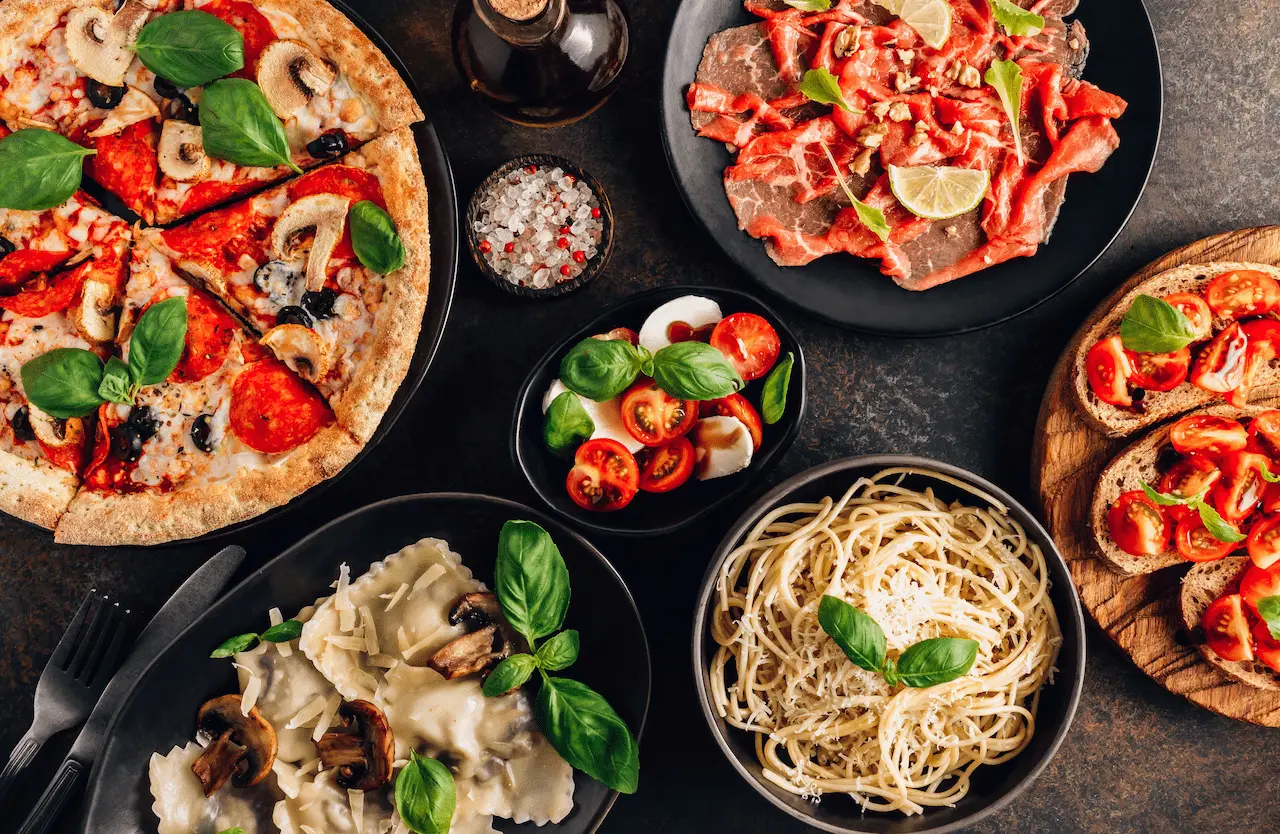
Quality food

Article image

Source: https://pastafresca.com/wp-content/uploads/2025/06/full-table-italian-meals-on-plates.webp

The quality of the food at an authentic Italian restaurant is unmatched.

Grills and steakhouses tend to fetch significantly higher prices. Whereas team lunch at a sushi place might leave some diners wanting more. With pasta restaurants, however, it doesn’t take a steakhouse budget to have delicious, authentic Italian pasta dishes.

If management is abiding by a budget yet still wants to provide an elevated team lunch, pasta restaurants are the way to go.

Moderate portions befitting meetings and team lunches

Pasta isn’t filling like rice and steak is. They also don’t fill a plate–which is a good thing.

Corporate lunches are for both food and conversation. With pasta’s moderate portions, employees don’t fill up, allowing conversation to go on for much longer.

Selecting a Pasta Restaurant for Team Lunches

Article image

However, note that not all pasta restaurants in Singapore might be ideal for holding your team lunch.

Look at the following aspects first before booking a table.

Exclusivity

Sometimes, a standard table in the main dining area is not enough. If you need a conducive ambience or will be hosting clients, you may need private dining rooms.

An exclusive environment has the following benefits:

  • It’s calmer and quieter. It allows your dining employees to talk with each other and enjoy each other’s company all the more.
  • It gives an elevated ambience. This is ideal for hosting events for employees, especially team lunches. It allows employees to savour the lunch even more.

Be sure to look at the pasta restaurant’s interior design and architecture, as this will play a significant role in bringing in that exclusivity.

Also, make sure they have private dining rooms that can accommodate your team.

Parking Availability

Managers need to ensure the venue is accessible for everyone–especially in a corporate gathering where some employees have their own cars.

Some pasta places will have excellent food and a corporate-conducive ambience, checking all the boxes.

But if they don’t have parking, then some of your employees may not be able to attend the lunch.

Ensure the pasta place you’ve chosen has an available parking lot, or has a nearby accessible parking lot. Even better, see if they offer reserved parking.

That way, the corporate lunch is accessible to the members of your team.

Restaurant Membership

Source: https://pastafresca.com/wp-content/uploads/2020/12/advocado-VIP.jpg

For companies that host regular team lunches or dinners, a restaurant membership can be very beneficial.

These memberships can provide exclusive benefits, access to select menu items, special discounts, or priority booking.

Here at Pasta Fresca, our VIP Membership benefits include welcome vouchers, discounts, a birthday voucher, 2% cashback, and an instant $20 discount on your bill when you sign up.

Article image

This is a great way to manage the corporate budget while ensuring your team always has a table at the best Italian restaurants in town. It also fosters a working relationship with the restaurant, which can benefit other accommodations, such as client meetings.

Have your Corporate Team Lunch at Pasta Fresca Today!

If you are looking for the perfect venue for your next corporate lunch, look no further than Pasta Fresca da Salvatore.

We have been serving authentic Italian food in Singapore for over thirty years. Our commitment to fresh ingredients and attentive service makes us the premier choice for corporate dining.

Our menu features over 20 different pasta shapes and varied pasta sauces. From the classic tomato sauce to rich seafood platters, we cater to all dietary needs.

Whether you need a quiet corner for a lunch meeting or a large table for team dinners, we have the space for you. Our team is ready to help you host a meaningful team lunch that your employees will remember.

Experience authentic Italian cuisine and simple yet flavourful pastas. Get in touch with Pasta Fresca today!

Frequently Asked Questions

How many people can a pasta restaurant typically accommodate for a corporate lunch?

Capacity varies by venue. Some pasta restaurants are ideal for small team lunches of 6-10 people, while others offer private dining rooms or flexible seating for larger groups of 20 or more. It’s best to enquire early to ensure the space matches your team size.

Is it appropriate to hold a corporate lunch during peak dining hours?

Yes, but advance reservations are strongly recommended. Booking ahead eliminates waiting times, allowing your team to get right to business.

Can pasta restaurants accommodate dietary restrictions and allergies?

Most established Italian restaurants are accustomed to accommodating dietary needs such as vegetarian, gluten-free, or seafood-free preferences. Informing the restaurant in advance allows them to suggest suitable dishes or make adjustments where possible.

How far in advance should a corporate team lunch be planned?

A few days’ notice may be sufficient. But it also helps to plan one to two weeks in advance to secure the best dining rooms.

Are pasta restaurants suitable for client-facing corporate lunches?

Yes. Their refined yet relaxed ambience makes them appropriate for hosting clients. Choosing pasta restaurants helps maintain a professional impression towards clients, tipping the lunch in your favour.

Sandwich melts have become a core offering in food service and commercial kitchens, where their signature melted cheese and hearty fillings are a customer favourite. Since cheese serves as the defining ingredient in sandwich melts, chefs need a cheese that delivers a smooth, uniform melt without oil separation or uneven texture.

Among the many cheese varieties available, shredded Gouda cheese has become a top choice in commercial kitchens for making gourmet sandwich melts.

In this article, we’ll explore why chefs and food service operators are increasingly using Gouda Shred for sandwich melts.

Flavour and Texture That Enhance Sandwich Fillings

Gouda cheese is an excellent choice for enhancing the flavour and texture of sandwich fillings in catering and food service menus. Known for its creamy mouthfeel and slightly nutty, mellow taste, this cheese adds a gourmet character to both warm and cold sandwiches. When sourced from a reputable dairy supplier, high-quality shredded Gouda also maintains the traditional flavour profile of Dutch-style cheese in sandwiches, which is mild, buttery, and smooth.

Similarly, another notable characteristic of Gouda cheese is that instead of overpowering the dish, it balances and enhances other ingredients. For instance, Gouda pairs beautifully with smoked ham and Dijon mustard in a toasted panini or with roast beef and horseradish mayo in a hearty deli-style sandwich. It also complements vegetarian options like caramelised onions, roasted red peppers, or apple slices. Such versatility allows chefs to use shredded Gouda across a wide variety of sandwich builds.

Reliable Melt Performance for Sandwich Melts

Unlike lower-quality cheeses that break down or pool oil under heat, shredded Gouda delivers reliable melt performance that is ideal for high-volume sandwich operations. It melts into a smooth, creamy texture that keeps sandwich fillings rich and satisfying in every bite. These even melting properties allow chefs to prepare grilled sandwiches, paninis and melts without worrying about uneven coverage or textural issues.

Moreover, shredded Gouda also delivers consistent melt coverage across various bread formats, such as sliced sourdough, ciabatta rolls, or brioche buns. This uniform distribution ensures customers experience the same creamy, flavorful bite throughout the sandwich.

Performs Well Across All Sandwich Equipment

Gouda cheese is remarkably versatile when it comes to equipment compatibility in food service environments. It performs reliably across a variety of commercial sandwich equipment, such as panini presses, contact grills, countertop griddles, conveyor ovens, and salamanders.

For instance, when prepared on a griddle or stovetop, Gouda’s smooth texture and balanced composition prevent it from scorching or drying out, even at moderate heat. Similarly, in high-volume settings, shredded cheese formats melt evenly in conveyor ovens or toasters, which helps to provide consistent results across large batches of sandwiches.

Resistance to Browning

In high-volume food service settings, resistance to browning is a critical performance factor for meltable cheeses used in hot sandwiches. Browning in cheese occurs when amino acids and reducing sugars undergo Maillard reactions under high heat, often resulting in a tough, dry, or overly dark surface. Gouda stands out in this regard due to its relatively high moisture and balanced fat content. Since the cheese melts evenly and retains a creamy texture, the sandwich looks appetising without unsightly dark spots or crusts.

Younger Gouda varieties also tend to brown more slowly than some other cheeses, thanks to their moisture content and balanced fat composition. Thus, chefs can avoid the bitter or burnt notes that can arise from overcooked cheese.

Consistent Portion Control and Operational Efficiency

Finally, pre-shredded Gouda cheese offers a ready-to-use solution that supports efficient sandwich assembly in high-volume kitchens. Since there’s no need for manual slicing or grating, staff can focus on assembly and service, which is especially helpful during peak times.

Also, as the cheese is already shredded to a consistent size, kitchen teams can easily measure out exact quantities for each sandwich build, which helps reduce overuse, minimise waste, and keep ingredient costs predictable.

Building on that consistency, pre-shredded Gouda supports standardisation across distributed kitchen networks. For multi-site operators, chain cafés, and franchise groups, it ensures that every location receives the same high-performing product with consistent shred size, moisture content, and melt characteristics.

With its smooth melt, creamy texture, and reliable performance, shredded Gouda cheese stands out as one of the best cheeses for sandwich melts and is quickly becoming the go-to choice for chefs in high-volume kitchens.

For chefs and operators looking to introduce Gouda Shred into their sandwich menus, choosing a reputable food service cheese supplier is key to achieving reliable results.

Halloween brings a spirit of joy and fun. It is a season filled with costumes and treats. One of the best ways to spread delight is through Halloween chocolate. It carries warmth and sweetness. It makes every gathering feel special. People look forward to this seasonal indulgence. Thoughtful gifting can create happy memories. Neighbors feel closer and friends feel valued. A small gesture can bring great cheer. Therefore this holiday is perfect for giving.

Creative Treat Bags for Everyone

Treat bags are a classic choice. They are easy and fun to prepare. Fill them with Halloween chocolate and small surprises. Children love the playful excitement of these bags. Neighbors appreciate the thoughtful effort behind them. Use bright wrapping paper for extra charm. Add personal notes for an intimate touch. Each bag becomes a symbol of care. One eight words simple sentence fits right here. This tradition makes the community spirit strong.

Chocolate Gifts for Friends and Family

Friends and family deserve something special. A box of Halloween chocolate feels warm. Tie it with ribbon for elegance. Choose assorted flavors to surprise every taste. These small gifts hold great meaning. They show love through sweet gestures. Sometimes a simple chocolate bar feels magical. Each box becomes a memory shared together. The sweetness lingers long after the season. A carefully chosen gift shows deep affection. This gesture is remembered with fond smiles.

Sharing with Neighbors and Colleagues

Neighbors enjoy thoughtful surprises during the season. A basket filled with Halloween chocolate works well. Add in small notes for a friendly message. Simple offerings make bonds grow stronger over time. Colleagues appreciate thoughtful touches during busy days. Sharing chocolate makes workspaces lighter and brighter. Sometimes even small gifts create lasting trust. The gesture spreads warmth across communities and offices. Every shared moment feels more meaningful this way. This effort brings people closer every season.

Giving Back Through Donations

Donating sweets brings happiness to many. A pack of Halloween chocolate brings cheer. Families who need support welcome these gifts. Sharing in this way spreads true kindness. Local shelters often welcome holiday donations. Every small contribution creates real difference around us. Sometimes the smallest gift holds deepest impact. Volunteers can also help in distribution events. This spreads joy far beyond one’s circle. A season of giving feels complete with charity.

Sweet Moments and Lasting Bonds

Chocolate has the power to unite hearts. Sharing Halloween chocolate creates memories filled with joy. Every treat bag carries thought and care. Every donation reflects kindness and compassion. Friends and neighbors cherish such sweet offerings. Families feel closer through meaningful exchanges. Sometimes the season feels brighter with one smile. These gestures show love through sweet traditions.

In the highly competitive UK coffee market, standing out is essential for cafés and businesses seeking to attract and retain customers. One increasingly popular approach is white label coffee—a cost-effective solution that allows businesses to offer high-quality coffee under their own brand name. With the ability to build a strong brand identity while keeping costs manageable, white label coffee has become a game-changer for independent cafés, restaurants, and even corporate offices.

What is White Label Coffee?

White label coffee involves purchasing pre-roasted, ready-made coffee from a supplier and branding it as your own. Unlike private label coffee, which offers a higher degree of customisation, white label coffee typically involves selecting from a supplier’s existing blends and packaging options. This approach provides businesses with the flexibility to offer premium coffee products without the complexity of developing their own blends or managing roasting operations.

For UK businesses, white label coffee is a practical way to meet consumer demand for quality coffee while enhancing their own brand visibility.

Benefits of White Label Coffee for UK Cafés and Businesses

  1. Cost-Effective Branding
    White label coffee is an affordable way to establish a branded product line. By leveraging a supplier’s existing infrastructure, businesses avoid the significant investment required to develop and produce coffee from scratch. This is especially advantageous for small and medium-sized businesses looking to compete in the UK’s dynamic coffee market.
  2. Building Brand Identity
    Offering branded coffee allows cafés and businesses to reinforce their identity and stand out from competitors. Whether it’s a neighbourhood café showcasing its personality or a hotel offering a signature coffee blend, white label coffee adds a professional touch that resonates with customers.
  3. Access to High-Quality Coffee
    Reputable white label suppliers provide expertly roasted blends crafted to meet diverse taste preferences. This ensures businesses can deliver top-tier coffee without needing specialised knowledge of roasting or sourcing.
  4. Customised Packaging
    Many white label coffee suppliers offer customisable packaging, enabling businesses to design bags, labels, and branding that align with their aesthetic and values. This enhances the overall customer experience and creates a memorable impression.
  5. Quick and Easy Setup
    With no need to develop unique blends or manage production, white label coffee offers a fast and efficient way for businesses to launch their own branded coffee products. This is ideal for new cafés or businesses looking to expand their offerings without delays.
  6. Additional Revenue Streams
    Beyond serving coffee on-site, businesses can sell branded coffee bags for home use. This not only generates additional income but also extends the brand’s reach into customers’ daily lives.

How White Label Coffee Enhances Customer Loyalty

For UK cafés and businesses, creating a unique coffee experience is key to fostering customer loyalty. White label coffee helps achieve this by:

  • Offering Consistency: A reliable white label supplier ensures every cup of coffee meets the same high standard, building trust with customers who return for their favourite brew.
  • Promoting Exclusivity: Branded coffee creates the perception of exclusivity, making customers feel they are enjoying something special and unique to your business.
  • Aligning with Values: White label coffee can reflect a business’s ethos, whether it’s sustainability, ethical sourcing, or a commitment to local suppliers, helping customers connect with the brand on a deeper level.

Selecting the Right White Label Coffee Supplier

Choosing a reputable supplier is critical to the success of your white label coffee venture. Here are some factors to consider:

  1. Quality of Coffee: Look for suppliers who use high-grade beans and offer a variety of blends to suit different palates. A taste test is essential to ensure the coffee meets your standards.
  2. Sustainability and Ethics: UK consumers increasingly prioritise environmentally friendly and ethically sourced products. Partnering with a supplier that supports fair trade and sustainable farming practices can enhance your brand’s reputation.
  3. Customisation Options: Evaluate the supplier’s ability to customise packaging and branding to reflect your business’s identity.
  4. Flexibility: Choose a supplier who offers flexible order sizes, allowing you to scale up or down based on demand.
  5. Support and Expertise: A good supplier will provide guidance on selecting blends, creating branding, and even marketing your coffee products.

Real-Life Applications of White Label Coffee in the UK

  1. Independent Cafés: Many UK cafés use white label coffee to serve their customers high-quality brews while showcasing their own branding. Offering branded bags of coffee for sale also helps strengthen customer relationships and boost revenue.
  2. Corporate Offices: White label coffee allows businesses to supply premium coffee to their employees and clients, enhancing workplace satisfaction and presenting a polished image.
  3. Hotels and Restaurants: Offering a signature coffee blend adds a unique touch to the dining or hospitality experience, leaving a lasting impression on guests.
  4. Retailers: Shops and boutiques can expand their product offerings with branded coffee, providing customers with a practical and high-demand item to purchase.

Tips for Successfully Introducing White Label Coffee

  1. Understand Your Audience: Tailor your coffee offerings to match your customers’ preferences. For instance, UK coffee drinkers often favour smooth blends with balanced acidity.
  2. Invest in Packaging: Eye-catching, high-quality packaging can make your white label coffee stand out and attract attention on the shelf or online.
  3. Highlight Your Story: Use your branding to communicate your business’s story and values, creating a deeper connection with customers.
  4. Offer Sampling: Introduce your white label coffee with free samples to encourage customers to try and fall in love with your product.
  5. Promote Ethically Sourced Options: UK consumers value sustainability, so emphasise any certifications or ethical practices associated with your coffee.

White label coffee offers a powerful, cost-effective solution for UK cafés and businesses to enhance their brand identity while providing customers with high-quality coffee. By partnering with a trusted supplier, businesses can create a unique product that reflects their values and resonates with their audience.

Whether you’re a small café looking to make your mark, a hotel aiming to impress guests, or a retailer seeking new revenue streams, white label coffee is a versatile and impactful way to stand out in the competitive UK coffee market. So why not start brewing your brand today?


Pizza is an Italian dish that has gained enormous popularity worldwide. Pizza becomes even more delectable when toppings like onion, chicken, and Gouda cheese are added! 

Additionally, a lot of individuals would rather have pizza with ordinary barbecue sauce than tomato sauce. Your pizza’s flavour can be greatly influenced by the barbeque sauce flavour.

Consider purchasing an oven from the Masterbuilt gravity series, one of the most well-known barbecue companies in America, if you wish to cook your pizza in a barbeque oven. It is quite versatile, with an innovative design and yet available in BBQs 2u in an affordable range.

In this oven, charcoal can be used to barbeque very efficiently. At the same time, you can clean the oven like any gas barbeque. Whether you are a first-timer or an experienced one, you can easily use this barbeque oven. 

Another one is available at BBQs 2u is a Masterbuilt 800 BBQ, which can be controlled digitally and also charcoal grilling can be done. You only need to adjust the temperature; the computerized fan will take care of feeding the charcoal and controlling the temperature. 

You can barbecue, smoke, roast, bake, and do a lot more with this oven. Although you will be using charcoal to cook the pizza, you will still be able to enjoy the convenience of a gas barbecue. The temperature of 225° F can be achieved in just 8 minutes.

Now, let us discuss how you can use any of these two ovens to cook your pizza successfully.

Use a pizza stone/perforated pan

Pizza cooking over a BBQ may seem intimidating. But in only a few minutes, you can make flawlessly baked pizza if you have the necessary tools and knowledge! Using a pizza stone or a perforated pan are two common ways to cook your prepared food on a barbecue consistently.

A classic pizza stone works best because it takes in moisture from the dough to produce a crispy bottom and distributes heat evenly throughout the surface for a uniform cook.

This implies flawless outcomes every time and an end to bubbles and undercooked dough spots! In order to ensure that your toppings don’t cool down too quickly while cooking, pizza stones are typically warmed before usage.

A perforated pan is an excellent choice if you are searching for a simpler solution. Its unique design features small holes at the base that let air pass through, facilitating quicker cooking times and avoiding burnt crusts.

Watching the heat

It is crucial to keep a close eye on the temperature when making a tasty pizza over a barbecue. You must pay close attention to how each dough and topping combination responds to heat and adapts as necessary. 

If you turn down the heat too low, your pizza will take longer to cook than usual, which could result in an underdone topping and soggy dough. 

Expensive barbecues, such as the Weber series, work well for direct and indirect cooking. When using these grills, we suggest wearing weatherproof fire gloves and keeping an oven thermometer visible from where you are working.

It can be difficult to wrap your head around the next steps you need to take when first diagnosed with coeliac disease. Luckily, with a great amount of literature available (especially online), support from medical professionals and assistance in the form of gluten-free products on prescription for those who qualify, it isn’t quite as daunting as it might have once been. This article is written to help you make this change, no matter what time in life that you have been diagnosed with coeliac disease and need to take on a gluten-free lifestyle.

Tips for changing your lifestyle

The only sure-fire treatment for coeliac disease is to adopt a gluten-free diet, but gluten can be found in many unexpected places, so it is important to understand how you can shift to a gluten-free existence in the most effective way possible. 

Love ingredients One of the first things you should do when changing to a gluten-free lifestyle is to start checking the ingredients list for everything that you buy and cook. This will help you to be vigilant in looking for places that gluten might be present and ensuring that you only buy gluten-free products.

Access a gluten-free prescription If you are diagnosed with coeliac disease you may qualify for gluten-free prescriptions, which provides you with access to gluten-free products that can make a big, positive influence to your life as you change to a gluten-free diet. 

Be careful when eating out Luckily, these days most restaurants, cafés, and other eateries have gluten-free menus, but it won’t be as simple as it was before you were diagnosed with coeliac disease to just pop out four brunch or dinner with your friends and order whatever takes your fancy. Always ask your server to make sure what you are ordering is gluten-free.

With some careful thought and by following some simple steps it might not be as challenging as you first think to change your lifestyle once you have been diagnosed with coeliac disease, even later in life. Although, as with anything else, it might seem challenging to change habits that you have built up over a lifetime, the improved quality of life that you will experience once you switch to a gluten free diet will make it all worthwhile. Reach out for advice wherever you can, whether that is from your GP or medical professional you are liaising with since being diagnosed coeliac, or by contacting Coeliac UK.

The Importance of Sustainable Chocolate

Sustainable chocolate refers to chocolate that is produced using ethical sourcing practices and fair trade principles. This type of chocolate not only benefits the environment but also supports the livelihoods of cocoa farmers and promotes social responsibility within the chocolate industry.

Ethical Sourcing

Ethical sourcing in the chocolate industry involves ensuring that cocoa beans are sourced from farmers who are paid fair wages and work under safe and humane conditions. By supporting ethical sourcing practices, consumers can contribute to the well-being of cocoa farmers and their communities.

Fair Trade Practices

Trade Practices

Fair trade practices aim to create a more equitable trading system that benefits producers in developing countries. When chocolate companies adhere to fair trade principles, they guarantee fair prices for cocoa beans and support sustainable farming practices that protect the environment.

The Benefits of Sustainable Chocolate

  • Preservation of the Environment: Sustainable chocolate production promotes eco-friendly farming methods that help preserve natural resources and reduce the carbon footprint of the chocolate industry.
  • Support for Cocoa Farmers: By choosing sustainable chocolate, consumers can support cocoa farmers by ensuring that they receive fair wages and have access to resources that improve their livelihoods.
  • Promotion of Social Responsibility: Sustainable chocolate encourages chocolate companies to uphold ethical standards and contribute to the well-being of cocoa-producing communities.

Choosing Sustainable Chocolate

When shopping for chocolate, look for labels that indicate ethical sourcing and fair trade certification. These labels, such as Fair Trade Certified or Rainforest Alliance Certified, ensure that the chocolate you purchase has been produced in a socially responsible and environmentally sustainable manner.

Supporting sustainable chocolate through ethical sourcing and fair trade practices is not only beneficial for the environment and cocoa farmers but also contributes to a more socially responsible chocolate industry. By making informed choices and opting for sustainable chocolate options, consumers can play a significant role in promoting a more ethical and sustainable cocoa supply chain.

Introduction

Gluten-free baking has come a long way in recent years, thanks to advancements in alternative flours and techniques that have revolutionized the way we approach gluten-free recipes. With a growing demand for gluten-free options due to various dietary preferences and intolerances, the baking industry has responded with a wide range of innovative solutions that cater to those seeking delicious gluten-free baked goods.

Exploring Innovative Flours

Exploring Innovative Flours

One of the key aspects of gluten-free baking innovation lies in the development of alternative flours that can mimic the texture and taste of traditional wheat flour. While rice flour and almond flour have been popular choices for gluten-free baking, newer options such as coconut flour, teff flour, and sorghum flour have gained popularity for their unique properties.

  • Coconut Flour: Known for its light and airy texture, coconut flour is a versatile option that adds a subtly sweet flavor to baked goods.
  • Teff Flour: Originating from Ethiopia, teff flour is a nutrient-dense option that provides a rich, nutty flavor to gluten-free recipes.
  • Sorghum Flour: With a mild taste similar to wheat flour, sorghum flour is an excellent all-purpose flour for a variety of baked goods.

Innovative Baking Techniques

Aside from alternative flours, innovative baking techniques have also played a significant role in enhancing the quality of gluten-free baked goods. These techniques help improve texture, rise, and overall taste of gluten-free creations.

  1. Hydration Techniques: Using ingredients like applesauce, yogurt, or pumpkin puree can help retain moisture in gluten-free batters, resulting in a softer and more tender crumb.
  2. Blending Flours: Combining different gluten-free flours in a recipe can create a balanced flavor profile and improve the overall texture of the finished product.
  3. Pre-Soaking Grains: Pre-soaking grains like quinoa or buckwheat before incorporating them into a recipe can help reduce bitterness and improve digestibility.

Gluten-free baking has evolved significantly over the years, thanks to the introduction of innovative flours and techniques that have transformed the way we approach gluten-free recipes. By embracing these advancements, bakers can create delicious, high-quality gluten-free baked goods that cater to a diverse range of dietary needs and preferences.

Embrace the revolution in gluten-free baking and explore the endless possibilities that innovative flours and techniques have to offer!

French pastries are renowned worldwide for their delicate flavors, flaky textures, and exquisite presentations. From the iconic macarons to the buttery croissants, mastering the art of French pastry requires precision, patience, and a deep appreciation for quality ingredients. In this guide, we will delve into the intricate techniques required to create these heavenly treats in your own kitchen.

Macarons

Macarons are perhaps the most iconic French pastry, known for their colorful shells and creamy fillings. To achieve the perfect macaron, you must master the art of making meringue and folding in almond flour. The key to successful macarons lies in achieving the right consistency of the batter and allowing the shells to develop a crisp outer layer before baking.

  • Start by sifting almond flour and confectioners’ sugar together to ensure a smooth texture.
  • Whip egg whites and sugar into stiff peaks to create a stable meringue.
  • Gently fold the almond mixture into the meringue until the batter flows like lava.
  • Pipe the batter onto a lined baking sheet and let it rest to form a skin before baking.

Croissants

Croissants

Croissants are a staple of French breakfast culture, known for their buttery layers and flaky texture. Making croissants from scratch is a labor of love that involves multiple rounds of folding and chilling the dough to create the signature flakiness. The key to perfect croissants lies in using high-quality butter and allowing the dough to rest between each fold.

  1. Prepare a laminated dough by combining flour, butter, water, milk, sugar, salt, and yeast.
  2. Roll out the dough and place a slab of butter in the center, then fold the dough over the butter to create layers.
  3. Chill the dough between each fold to prevent the butter from melting and losing its layers.
  4. Shape the croissants, proof them until doubled in size, then bake to golden perfection.

Financiers

Financiers are small, almond-based cakes that are a delightful treat with coffee or tea. These dainty pastries are made with brown butter, almond flour, and egg whites, resulting in a moist and tender crumb. The key to perfect financiers lies in browning the butter to enhance its nutty flavor and using finely ground almond flour for a smooth texture.

  • Melt butter until it turns golden brown and has a nutty aroma.
  • Combine almond flour, confectioners’ sugar, and egg whites in a bowl.
  • Gently mix in the brown butter and pour the batter into financier molds.
  • Bake until the financiers are golden and spring back when touched.

Mastering the art of French pastries requires practice, attention to detail, and a passion for creating beautiful and delicious treats. Whether you’re making macarons, croissants, or financiers, the key is to approach each recipe with care and precision to achieve bakery-quality results in your own kitchen.

Street food, once considered a humble and local culinary tradition, has now become a driving force behind the evolution of modern cuisine worldwide. The vibrant and diverse offerings found in street food markets from Asia to Africa, Europe to the Americas, have not only captured the hearts and taste buds of millions but have also significantly influenced the way we eat and perceive food in the 21st century.

Historical Roots

Historical Roots

The history of street food dates back centuries, with vendors selling quick and affordable meals to passersby in bustling marketplaces and busy streets. These street vendors often served traditional dishes that were passed down through generations, reflecting the cultural heritage and culinary traditions of their respective regions.

Diversity and Innovation

One of the key aspects of street food is its diversity. From spicy tacos in Mexico to steaming bowls of pho in Vietnam, each country and region has its own unique street food culture that showcases a blend of flavors, ingredients, and cooking techniques. This diversity has sparked a wave of innovation in modern cuisine, inspiring chefs and food enthusiasts to experiment with new flavors and fusions.

Global Fusion

As the world becomes more interconnected, the lines between traditional and modern cuisine continue to blur. Street food has played a significant role in this global fusion of flavors, with popular dishes like Korean tacos, Indian-inspired burgers, and Thai-style pizzas becoming mainstream staples in many restaurants around the world.

Health and Sustainability

With the rise of health-conscious consumers and a growing awareness of sustainability issues, street food vendors and modern chefs alike are adapting their menus to cater to these trends. Fresh, locally sourced ingredients, plant-based options, and eco-friendly packaging are becoming more prevalent in both street food markets and high-end restaurants.

Cultural Exchange

Beyond just food, street food has become a platform for cultural exchange and understanding. By sampling street food from different countries and regions, people can experience a taste of a culture’s history, traditions, and way of life. This cross-cultural exchange fosters a greater appreciation for diversity and brings people together through a shared love of food.

The Future of Street Food

As street food continues to influence modern cuisine, we can expect to see even more exciting developments in the culinary world. From food trucks serving up gourmet dishes to pop-up markets showcasing the latest food trends, the global influence of street food shows no signs of slowing down. With its ability to connect people from all walks of life through the universal language of food, street food is here to stay as a beloved culinary tradition shaping the future of dining.

Embrace the flavors, savor the tastes, and celebrate the global influence of street food on modern cuisine!

Chocolate has been a beloved treat for centuries, but in recent years, there has been a surge in innovative chocolate flavors and combinations that cater to the modern palate. From exotic fruits to spicy seasonings, chocolatiers around the world are pushing the boundaries of traditional chocolate offerings to create unique and delicious treats that appeal to a diverse range of tastes.

1. Matcha Green Tea Chocolate

Combining the rich, earthy flavors of matcha green tea with creamy chocolate creates a harmonious balance of sweet and bitter notes. This unique flavor combination has gained popularity among health-conscious consumers looking for a decadent treat with a hint of antioxidant-rich green tea.

2. Sea Salt and Caramel Chocolate

The combination of sweet caramel, savory sea salt, and rich chocolate has become a classic flavor profile that continues to captivate chocolate lovers. The saltiness of the sea salt enhances the sweetness of the caramel and chocolate, creating a perfect blend of flavors that is both indulgent and satisfying.

3. Spicy Chili Chocolate

Chili Chocolate

For those who enjoy a little heat with their sweet, spicy chili chocolate offers a unique and exciting flavor experience. The subtle kick of chili pepper adds a surprising element to the rich chocolate, creating a complex taste sensation that is sure to tantalize the taste buds.

4. Lavender Infused Chocolate

Lavender’s delicate floral aroma and subtle herbal notes pair beautifully with creamy chocolate, creating a sophisticated and elegant flavor combination. Lavender-infused chocolate offers a calming and aromatic experience that is perfect for those looking for a more refined chocolate treat.

5. Coconut and Lime Chocolate

The tropical flavors of coconut and lime come together in this refreshing and exotic chocolate combination. The zesty lime cuts through the sweetness of the coconut and chocolate, creating a bright and invigorating flavor profile that is perfect for summer indulgence.

6. Espresso Dark Chocolate

Coffee lovers rejoice with the bold and intense flavor of espresso dark chocolate. The bitterness of the espresso complements the richness of the dark chocolate, creating a sophisticated and indulgent treat that is perfect for those who enjoy a strong and robust flavor profile.

Overall, the world of chocolate is constantly evolving, with chocolatiers experimenting with new and exciting flavor combinations to cater to the modern palate. Whether you prefer sweet and salty, spicy and sweet, or floral and herbal flavors, there is a unique chocolate combination out there waiting to be discovered and enjoyed.

When it comes to culinary innovation, molecular cooking stands out as a fascinating blend of science and cuisine. This avant-garde culinary approach has revolutionized the way we think about food and cooking, pushing the boundaries of traditional gastronomy. By utilizing scientific principles and techniques, molecular cooking transforms ordinary ingredients into extraordinary dishes that not only tantalize the taste buds but also engage all the senses.

The Science Behind Molecular Cooking

At the heart of molecular cooking lies the application of scientific principles such as chemistry and physics to food preparation. By understanding the chemical and physical properties of ingredients, molecular chefs are able to manipulate them in novel ways to create textures, flavors, and presentations that are truly unique.

One of the key techniques used in molecular cooking is spherification, where liquid ingredients are transformed into spheres using a process involving sodium alginate and calcium chloride. This technique has been popularized by renowned chefs like Ferran Adri of elBulli, who pioneered the use of molecular gastronomy in fine dining.

The Culinary Experience

Experience

When diners experience molecular cooking, they are not just eating a meal; they are partaking in a culinary journey that stimulates both the palate and the mind. From edible foams and gels to liquid nitrogen-frozen desserts, molecular cooking offers a multisensory experience that challenges traditional notions of taste and texture.

Each dish is a work of art, carefully crafted to evoke emotions and memories through innovative presentations and unexpected flavor combinations. Diners are encouraged to engage with their food on a deeper level, appreciating the science behind each bite and savoring the complexity of the culinary creations before them.

The Future of Molecular Cooking

As molecular cooking continues to evolve, we can expect to see even more daring experiments and boundary-pushing creations from chefs around the world. This fusion of science and cuisine has opened up a world of possibilities, allowing chefs to express their creativity in ways never before imagined.

  • Exploring new techniques such as reverse spherification and emulsification
  • Collaborating with food scientists to uncover new flavor combinations
  • Pushing the boundaries of traditional cooking methods to create avant-garde dishes

Ultimately, molecular cooking represents the future of gastronomy, where innovation and experimentation come together to redefine the culinary landscape. By embracing the intersection of science and cuisine, we can look forward to a world of endless culinary possibilities that challenge our perceptions and ignite our imagination.